


Destro
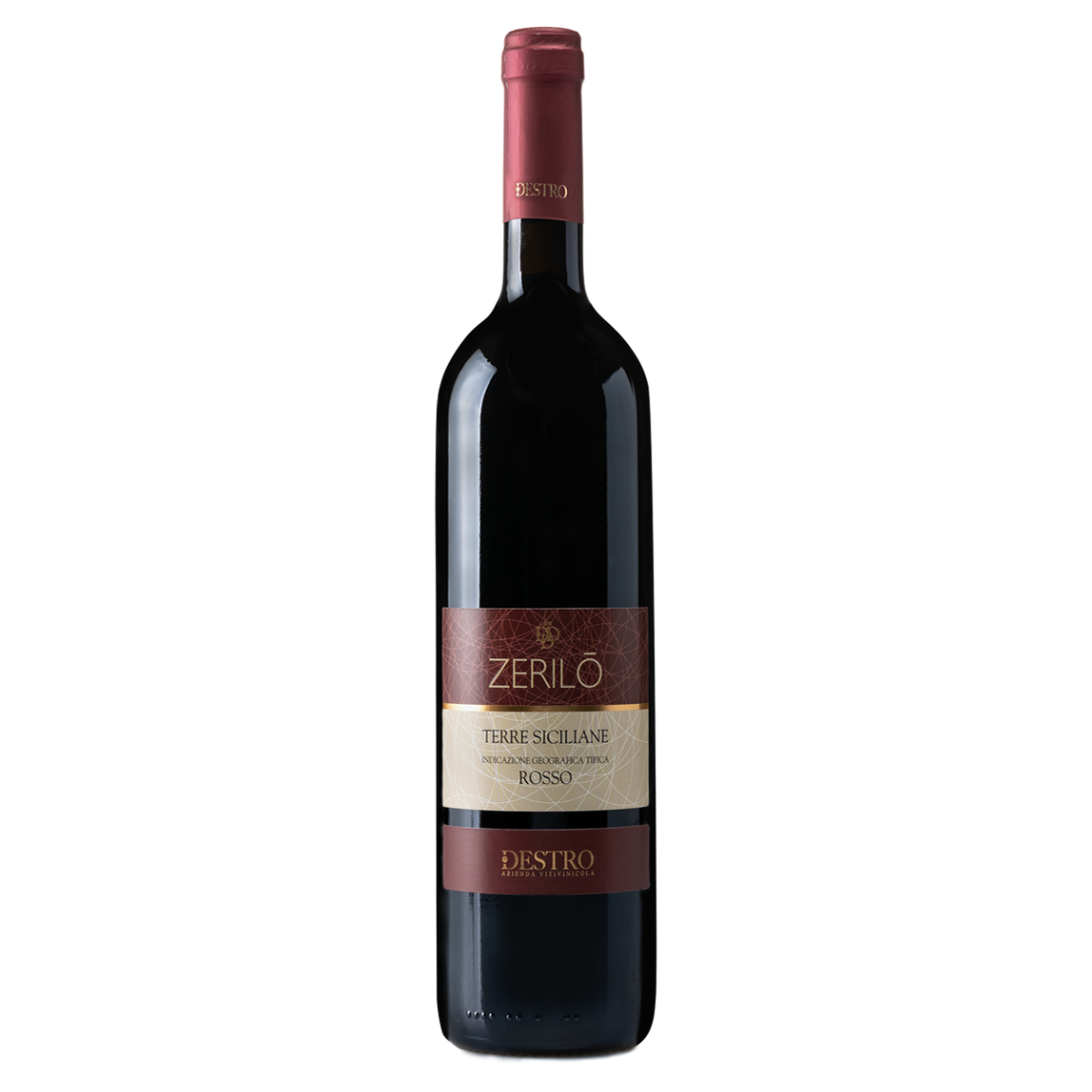
Destro Zerilo Etna Rosso IGT Sicily 2016
Destro Zerilo Etna Rosso IGT Sicily 2016
Regular price
52,00 €
Regular price
Sale price
52,00 €
Unit price
per
Taxes included.
 Etna, Sicily Italy
 Nerello Mascalese
 Matured in oak barrels
 14%
14%
Couldn't load pickup availability
The aroma is dominated by dried cherries, pomegranate, raspberries, rose petals and tobacco, along with notes of graphite, wet stone, ash and smoke. On the palate, the wine is dry, elegant, but with a powerful structure, firm yet ripe tannins and high acidity. The taste reveals darker red fruits, citrus bitterness, spices, leather and a volcanic "stony" character. The finish is long and complex.

About the manufacturer
Destro is a family winery located in the northeastern Etna DOC area, in the vicinity of Randazzo, Sicily. Its history began in the late 19th century when the family first settled on this land (around 1897), but the modern phase of the winery took shape at the beginning of the 21st century when old farmhouses and vineyards were renovated, and modern winemaking equipment was installed. Destro was one of those Etna wineries that grew along with the region's renaissance itself – from an almost unknown volcanic wine region to one of Italy's most prestigious terroirs. Their history is clearly rooted in the place: volcanic slopes, high altitude, old grape varieties, and the goal of extracting the purest Etna character. Today, Destro remains a family-run winery, where different generations work together, combining tradition and modern enology. In the vineyards, much attention is paid to local varieties – Nerello Mascalese, Nerello Cappuccio, Carricante, and Catarratto – and the primary work is done by hand, aiming to maintain a natural balance between climate, soil, and plant. The winemaking process also involves a technical team and enologists who help shape a style that is precise but does not erase the terroir identity. Destro is considered today to be part of the "classic Etna style": elegant, mineral wines where the focus is not on intervention, but on the volcano's expression in the glass.