


GASTON
Les Hauts du Tertre Rouge 2016 0,75 l
Les Hauts du Tertre Rouge 2016 0,75 l
Regular price
56,00 €
Regular price
Sale price
56,00 €
Unit price
per
Taxes included.
 Bordeaux France
 Cabernet Sauvignon, Merlot, Cabernet Franc, Petit Verdot
 Matured in oak barrels
 13%
13%
Couldn't load pickup availability

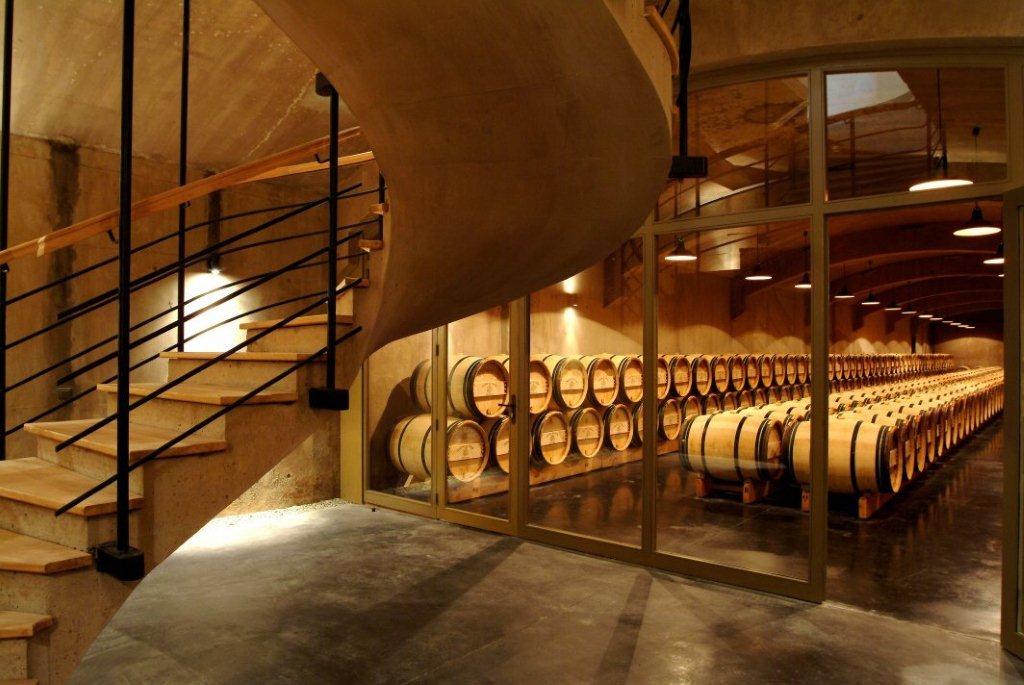
About the manufacturer
Château du Tertre belongs to the prestigious Bordeaux wine classification system – it is classified as one of the Cinquièmes Crus (Fifth Growths) in the Médoc classification of 1855. This classification was created at the initiative of Emperor Napoleon III on the occasion of the Paris World Exhibition – then 61 of the most famous Médoc vineyards were selected, including representatives of the Fifth Grand Cru, including Château du Tertre.
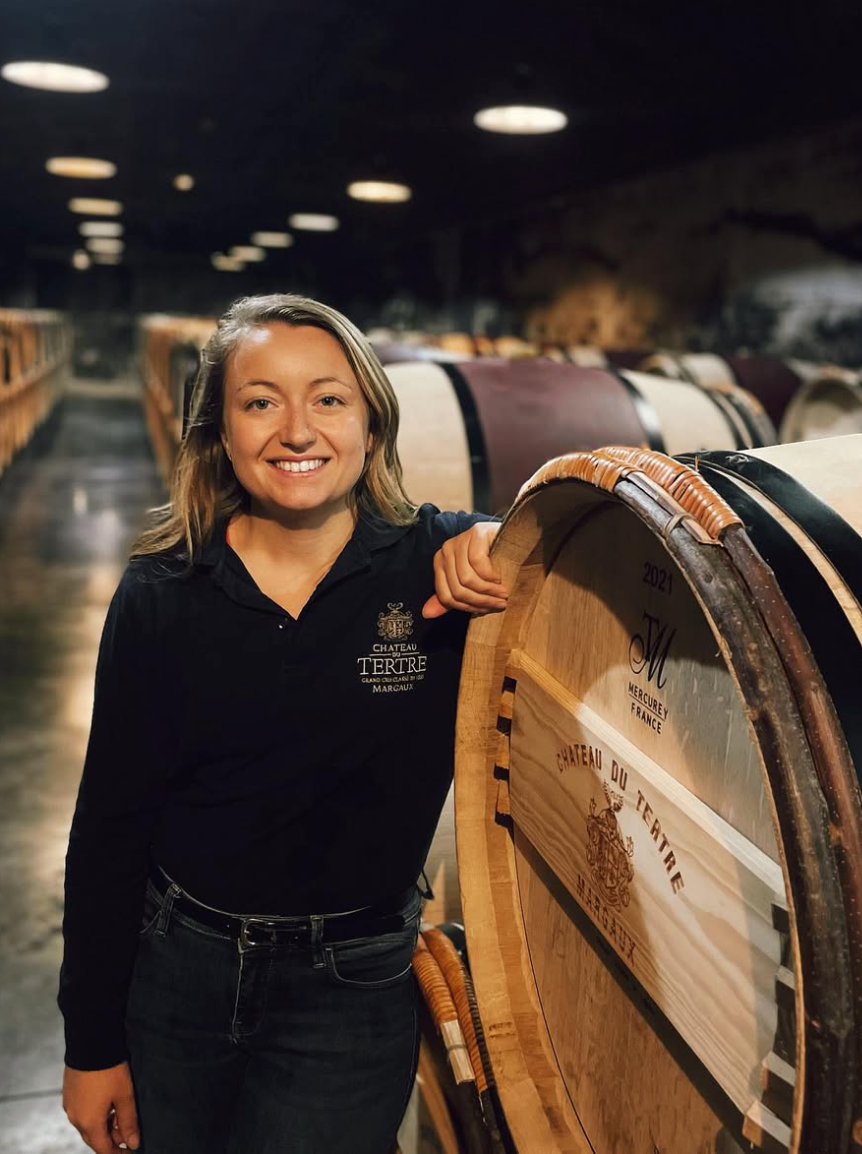
The Bordeaux region is distinguished by its unique climate, shaped by the Atlantic Ocean and the Gironde estuary. Mild winters, cooler summers and abundant rainfall create conditions for a long and even ripening of grapes. The influence of the climate here is closely intertwined with the centuries-old wine tradition - from Roman times, when the first vineyards were planted on the banks of the Garonne River, to the Middle Ages, when Bordeaux became a very important export center due to trade relations with England. Together with the clay and limestone areas, each Bordeaux wine estate reveals its own unique character. This harmony between climate, geography and history has created one of the most famous wine regions in the world, whose identity is based on the harmony of tradition and nature. The Château du Tertre house is located in the heart of the Margaux appellation on one of the highest hills of Arsac - hence its name ("tertre" in French means "hill"). This house has a long history, dating back to the 12th century. The wine's identity is shaped by the tradition of combining structure and elegance.