



Reyneke
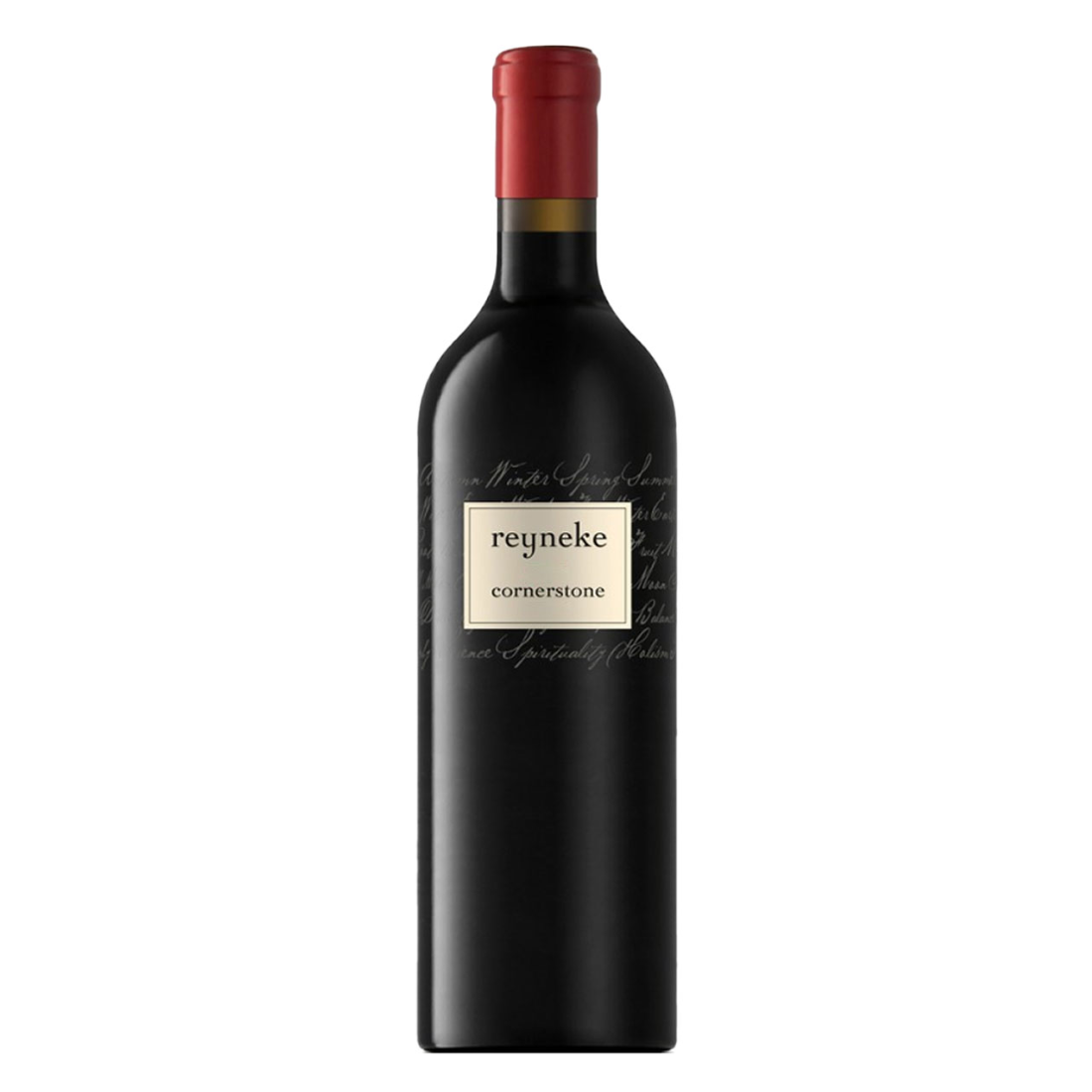
Reyneke Cornerstone 2020 0,75 l
Reyneke Cornerstone 2020 0,75 l
Regular price
29,00 €
Regular price
Sale price
29,00 €
Unit price
per
Taxes included.
 Stellenbosch Pietų Afrika
 86% Cabernet Franc 14% Cabernet Sauvignon
 Matured in oak barrels
 14%
14%
Couldn't load pickup availability
The wine’s aroma reveals an intense range of blackcurrant, blackberry, and cherry, complemented by nuances of tobacco leaf, violet blossoms, subtle spices, and cedar. On the palate, it is complex and layered, dominated by dark fruits, black cherry, and blackcurrant, transitioning into notes of graphite, black tea, and subtle herbs. The texture is dense yet elegant, with structured, linear tannins and a bright, refreshing acidity that gives the wine tension and longevity. The finish is long, dry, and firm, with a clear mineral “backbone” and a subtle spicy aftertaste.

About the manufacturer
Reyneke Wines is one of the first South African wineries to systematically transition to certified biodynamic winemaking, with its philosophy rooted in the idea that wine is an expression of a living ecosystem, not merely an agricultural product. Located in the Stellenbosch region, the farm has, from the outset, strived to work as closely as possible with natural cycles: no synthetic pesticides or herbicides are used, and soil vitality is maintained through compost, livestock integration, and natural preparations based on Rudolf Steiner’s biodynamic philosophy. The essence of this winery is to maximize the expression of terroir purity. The vineyards are treated as a self-sufficient ecosystem where soil, plants, animals, and cosmic cycles function as a single system. Winemaking also adheres to a principle of minimal intervention: fermentations often occur with natural yeasts, and oak is used sparingly so as not to distort the expression of the grapes and soil. Reyneke is considered one of the benchmarks for biodynamic winemaking in South Africa – its style is characterized by purity, energy, and a clear sense of "liveliness" that emanates from the soil, rather than from technology.