


Weingut Knipser
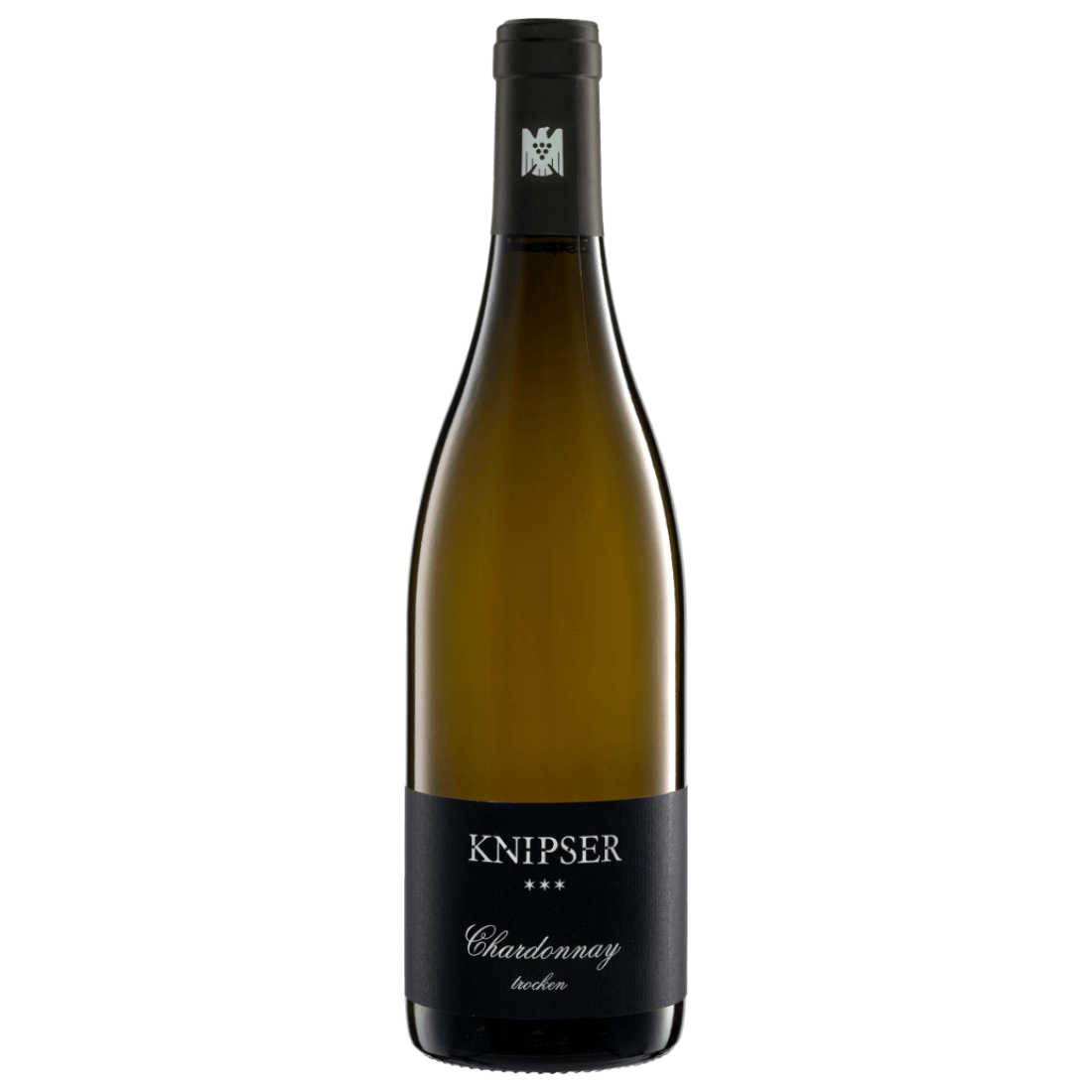
Weingut Knipser Chardonnay 2022 0,75 l
Weingut Knipser Chardonnay 2022 0,75 l
Regular price
50,00 €
Regular price
Sale price
50,00 €
Unit price
per
Taxes included.
 Palatinate Vokietija
 100% Chardonnay
 Baltasis sausas vynas, brandintas ąžuolo statinėse
 14.0%
14.0%
Couldn't load pickup availability
22 in Pfalz was a warm and sunny year, with sufficiently cool nights, which allowed the Chardonnay grapes to reach full ripeness while maintaining good acidity and clear structure. Such conditions gave the wine a ripe, rich, yet balanced character. The aroma features ripe yellow fruits - pear, peach, melon - along with notes of citrus zest, nuts, toasted bread, and a slight butteriness from oak aging. On the palate, the wine is dry, medium to full-bodied, with a creamy texture, lively yet rounded acidity, and a long finish combining fruit, minerality, and a delicate oaky spice.

About the manufacturer
Knipser Winery, located in the village of Laumersheim in the Pfalz region, is considered one of the leaders of the qualitative revolution in German winemaking. The family's history in this region began in the 19th century, but the estate gained its current recognition in the second half of the 20th century when it was decided to focus on smaller yields, higher quality, and an international style. Knipser was one of the first wineries in Pfalz to seriously work with Burgundy varieties – Grauburgunder, Weissburgunder, Spätburgunder – as well as Bordeaux varieties such as Cabernet Sauvignon and Merlot, thus expanding the boundaries of the region's possibilities. Today, it is one of the most highly regarded private wineries in Germany, holding the highest national ratings.

Weingut Knipser is a family winery in Pfalz, located in the village of Laumersheim, and is considered one of the leading figures in the region's quality revolution. From the late 20th century onwards, the Knipser family purposefully transitioned to lower yields, greater precision, and an interpretation of international styles, thereby elevating the reputation of Pfalz wines. They were among the first in the region to seriously work with Burgundian varieties and the expression of terroir, maintaining German acidity precision while adding more texture and aging potential. Their philosophy is minimal intervention in the cellar, maximum precision in the vineyard, and clear expression of the site, especially in limestone soil plots like Kalkmergel.