


Weingut Knipser
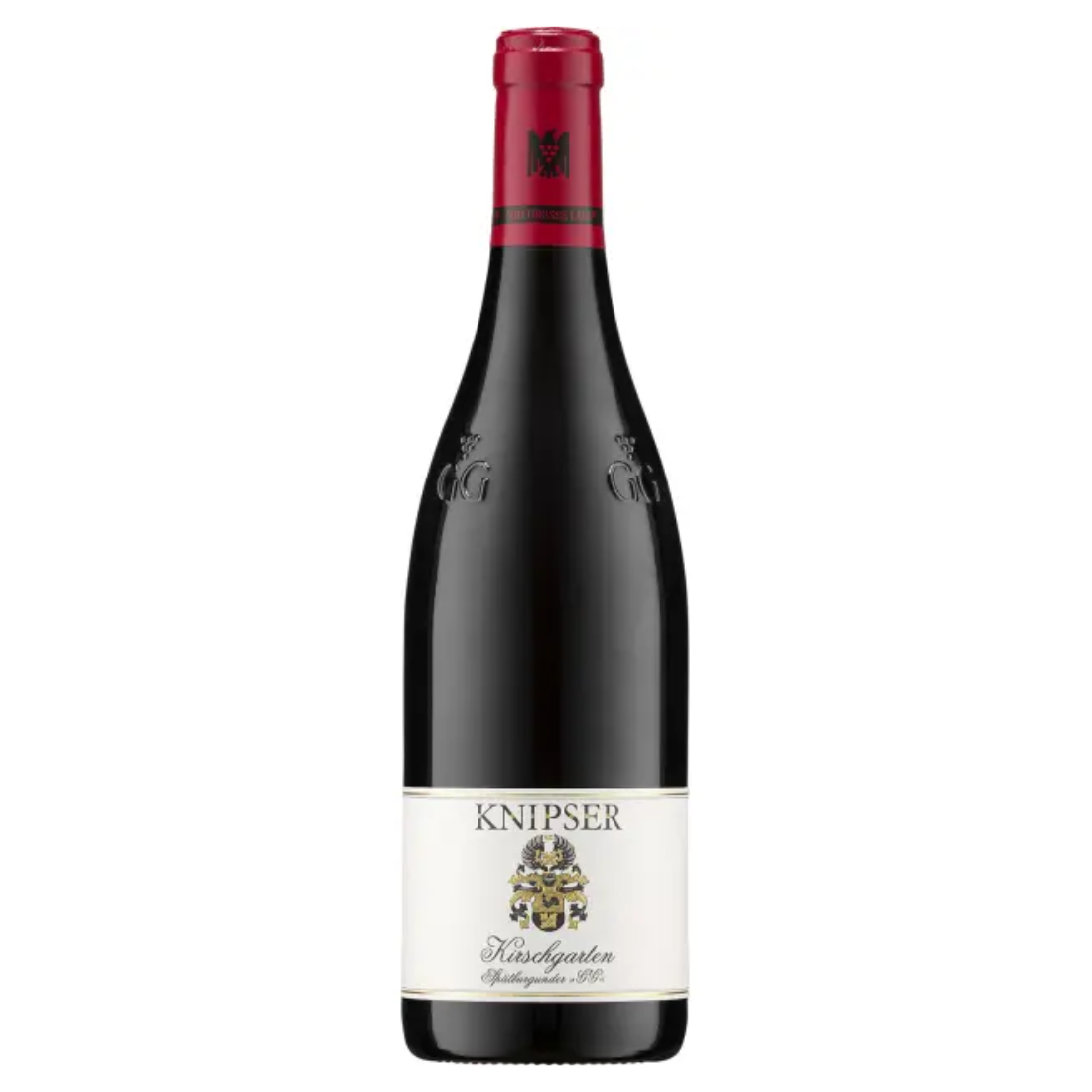
Knipser Estate Kirschgarten Grosse Lage Spätburgunder 2020
Knipser Estate Kirschgarten Grosse Lage Spätburgunder 2020
Regular price
65,00 €
Regular price
Sale price
65,00 €
Unit price
per
Taxes included.
 Palatinate Vokietija
 100% Pinot Noir
 Aged in oak barrels
 13.5%
13.5%
Couldn't load pickup availability
2020 was a balanced and quite warm vintage in Pfalz, but cool nights helped preserve acidity and aromatic precision. Kirschgarten Grosse Lage is one of Knipser's best plots, featuring limestone and marl soils that give the wine structure and minerality. The aroma of Spätburgunder (Pinot Noir) is dominated by black cherries, red berries, and blackberries, along with notes of chocolate, coffee, spices, and light oak. On the palate, the wine is dry, medium to full-bodied, with smooth but dense tannins and a very good line of acidity that provides elegance and longevity. The finish is long, with a continuation of fruit, minerality, and subtle toasted oak.

About the manufacturer
Knipser Winery, located in the village of Laumersheim in the Pfalz region, is considered one of the leaders of the qualitative revolution in German winemaking. The family's history in this region began in the 19th century, but the estate gained its current recognition in the second half of the 20th century when it was decided to focus on smaller yields, higher quality, and an international style. Knipser was one of the first wineries in Pfalz to seriously work with Burgundy varieties – Grauburgunder, Weissburgunder, Spätburgunder – as well as Bordeaux varieties such as Cabernet Sauvignon and Merlot, thus expanding the boundaries of the region's possibilities. Today, it is one of the most highly regarded private wineries in Germany, holding the highest national ratings.

The winery is run by the Knipser family – brothers Volker and Werner Knipser took over the business, and today the younger generation is also actively involved. Their philosophy is based on precision in the vineyard and patience in the cellar: smaller yields, hand-picking, selective fermentation, and aging in oak barrels when the wine's structure requires it. They strive for a balance between German acidic precision and Burgundian elegance – so that the wines are structured, long-lived, yet clearly reflect the soils of Pfalz and the ripeness imparted by a warmer climate.